Wondering which part of Oceanside actually fits your everyday routine, not just your weekend plans? That is one of the most important questions to ask before you buy, because Oceanside offers more than one kind of lifestyle. If you want to understand how the city’s coastal areas, downtown core, and inland neighborhoods feel in real life, this guide will help you sort through the options and narrow in on what may work best for you. Let’s dive in.
How Oceanside Is Laid Out
Oceanside covers about 42 square miles and sits roughly 35 miles north of San Diego. According to the City of Oceanside at a glance, the city includes about 174,340 residents, around 69,097 housing units, 3.5 miles of public beaches, a 1,954-foot pier, and a 1,000-slip public marina.
From a practical standpoint, Oceanside is easy to think of in three broad zones: coastal, downtown, and inland. I-5 runs about one mile east of the ocean, while SR-78 and SR-76 connect the city to inland North County, so your day-to-day experience can change a lot depending on whether you want beach access, transit convenience, or a more car-based routine.
Coastal Oceanside Living
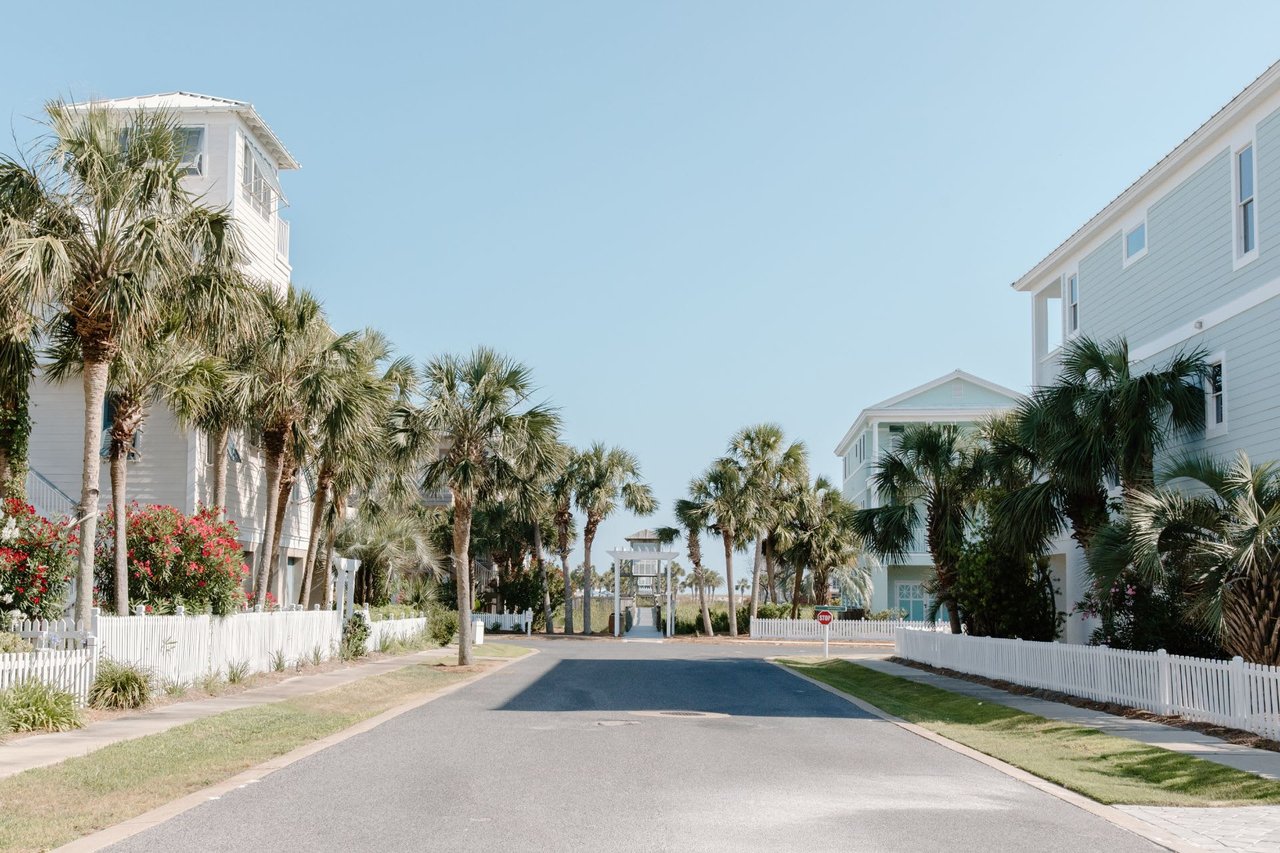
If you picture Oceanside as surf, sand, and walkable beach days, you are mostly thinking about the areas around the pier, The Strand, Harbor Beach, and the Coast Highway corridor. This is the part of the city that feels most connected to the shoreline on a daily basis.
The city’s beaches page describes the Pier area as the shoreline’s main activity hub, with beach parking, picnic areas, restrooms, a playground, and a promenade used by cars, bikes, and pedestrians. The same page notes that Harbor Beach is the city’s largest beach and sits next to harbor shops, dining, boating, fishing, kayaking, and whale-watching access.
What the coast feels like
Daily life near the water tends to be more active and more visitor-oriented. You may be closer to the beach, waterfront paths, and restaurants, but that usually comes with more traffic, tighter parking, and a busier feel during peak times.
Housing near the coast also tends to look different from inland Oceanside. Based on the Coast Highway Vision Strategic Plan, this corridor leans toward older beach homes, condos, and mixed-use residential buildings rather than large master-planned subdivisions.
North, mid, and south coast differences
Not every stretch of coast works the same way. The Coast Highway plan breaks the shoreline corridor into North, Mid, and South planning areas, with places like the Transit Center node, Sprinter Station node, and South O Village node shaping a more pedestrian-friendly, mixed-use pattern.
That means one beach-adjacent area may feel more residential, while another may feel more centered around shops, restaurants, or transit. The same plan also notes the importance of preserving the Seaside neighborhood east of Coast Highway as part of Oceanside’s beach-community identity.
Beach access is not equal everywhere
This is a detail many buyers miss at first. The city says Oceanside Boulevard Beach and other beach areas do not all offer the same access conditions, and the southernmost beaches are mainly accessible at low tide except for St. Malo.
So if being able to walk to the sand easily matters to you, it is worth looking closely at parking, access points, and tide-related limitations. In Oceanside, “near the beach” and “easy beach use every day” are not always the same thing.
Downtown Oceanside and the Historic Core
If you want a more walkable, connected lifestyle, downtown Oceanside deserves a closer look. This area blends the city’s historic roots with newer redevelopment, dining, events, and transit access.
According to the city’s history page, Oceanside’s historic development grew around Mission San Luis Rey, the railroad, and the original downtown street grid. The page also notes that rail-era growth accelerated after the line was completed in 1883, the downtown transit center was built in 1983, and the current pier was dedicated in 1987.
Why downtown works for some buyers
For many buyers, downtown makes sense because it puts more of daily life within reach on foot. You may be closer to restaurants, community events, the waterfront, and regional transit, which can be a real advantage if you value convenience over having a larger lot.
The downtown maps page highlights planning and redevelopment activity in this core, while Visit Oceanside notes the weekly Thursday Farmers Market downtown. Taken together, that points to a part of the city that functions as a central activity zone, not just a place to visit on weekends.
Transit and walkability advantages
Downtown is also the strongest match if transit is part of your routine. The Coast Highway plan and downtown planning documents support the idea that the Transit Center node and Sprinter Station node are major mixed-use and transit-oriented hubs.
If your goal is to commute by rail, reduce car dependence, or keep biking in the mix, downtown and nearby coastal zones usually give you the best shot at that lifestyle. You are often trading yard space and easier parking for location efficiency.
Inland Oceanside and More Planned Neighborhoods
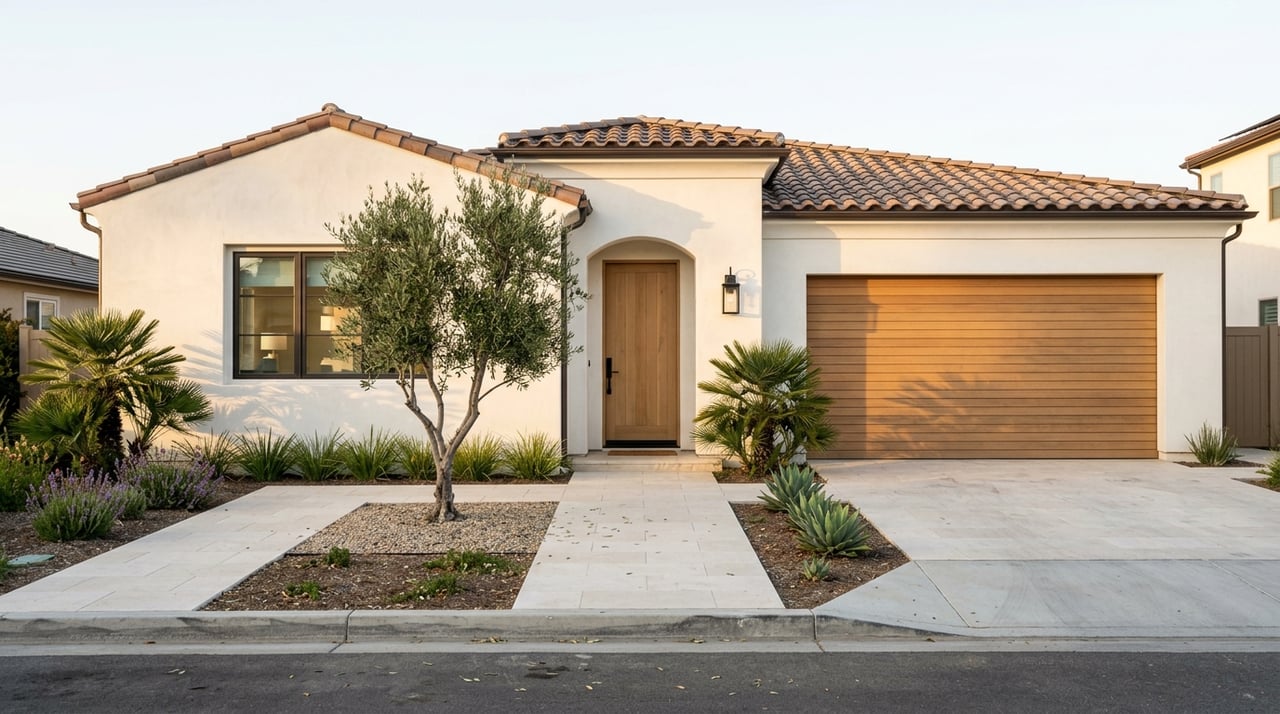
If your routine revolves more around parks, easier parking, sports facilities, and a quieter residential setup, inland Oceanside may be a better fit. These neighborhoods often feel more planned and more car-oriented than the coast.
This includes areas connected to Rancho Del Oro, El Corazon, Tri-City, and pockets farther east and north. While each area has its own layout, they generally offer a different pace from the waterfront and downtown core.
Rancho Del Oro and nearby areas
Rancho Del Oro is one of the clearest examples of a suburban-style pocket in Oceanside. The city places Jim Wood Park in Rancho Del Oro, with soccer fields, tennis courts, restrooms, and parking, and nearby Ivey Ranch Park includes a community garden and equestrian programming.
That tells you a lot about the daily lifestyle here. Instead of being centered on the beach promenade, this part of Oceanside leans more toward regular routines, recreation spaces, and easier errand flow.
El Corazon and community amenities
El Corazon adds another layer to inland living. The El Corazon specific plan area is a 465-acre city-owned parcel in central Oceanside with uses divided among parks and recreation, habitat, civic services, commercial, village commercial, and hotel uses.
For buyers, that supports the idea of a more organized community framework with access to large recreation-oriented spaces. If you care more about fields, facilities, and everyday drivability than immediate ocean access, this part of the city may feel more practical.
Tri-City and east-side rhythm
The city also points to investment in the Tri-City area, including renovations and renewed services at the John Landes Community Center. That suggests an area where civic amenities are part of the neighborhood picture.
Farther east, Guajome Regional Park and Guajome Lake bring in a more open, outdoor-oriented feel with hiking, biking, camping, picnicking, and day-use amenities. This gives the outer east and north side of Oceanside a different daily rhythm from both downtown and the coast.
Getting Around Oceanside
Your preferred way of getting around should play a major role in your home search. Oceanside works well for different kinds of commuters, but not every neighborhood serves every routine equally.
The city describes Oceanside as a regional transportation hub, with COASTER service to San Diego, Metrolink to the Los Angeles area, Amtrak service north and south, the SPRINTER between Oceanside and Escondido, and the city’s gO’side shuttle.
Best fit for transit commuters
If you plan to use rail often, the Oceanside Transit Center is the main anchor. NCTD says the Transit Center has more than 1,200 parking spaces and is the only station served by SPRINTER, COASTER, Amtrak, Metrolink, BREEZE, and LIFT.
That makes downtown and nearby coastal areas especially appealing for buyers who want direct transit access. These parts of Oceanside may support a more flexible car-light lifestyle, depending on your exact location and routine.
Best fit for freeway commuters
If your week revolves around driving, inland neighborhoods often make more sense. With I-5 one mile east of the ocean and SR-78 and SR-76 connecting the city inland, the practical advantage of eastern or more central locations is often easier vehicle-based movement and parking.
That does not mean coastal areas are off the table. It just means the tradeoff is usually clear: the closer you get to the shoreline and downtown activity centers, the more likely you are to balance location perks against congestion and parking limitations.
Which Oceanside Area Fits Your Routine?
The easiest way to compare Oceanside neighborhoods is by the kind of day you want to have most often. Think less about labels and more about how you want your mornings, commutes, errands, and weekends to feel.
Here is a simple way to frame it:
- Choose coastal Oceanside if you want quick beach access, a more active shoreline setting, and housing that often includes condos, mixed-use buildings, or older beach homes.
- Choose downtown or nearby if walkability, dining, events, and transit matter more than extra space or easier parking.
- Choose inland pockets if you want parks, sports facilities, a more managed residential feel, and a routine that is easier by car.
None of these options is automatically better. The right fit depends on whether you value ocean access, commute convenience, walkability, or day-to-day logistics most.
Final Thoughts on Oceanside Neighborhoods
Oceanside is one of those cities where small location shifts can change your lifestyle in a big way. A home near the pier offers a very different day than one near Rancho Del Oro or farther east near open space and parks.
If you want help narrowing down which part of Oceanside fits your goals, price point, and daily routine, working with a local guide can save you time and help you compare tradeoffs clearly. If you are thinking about buying or selling in North County, you can connect with Anastasia Colwell-Olsen for thoughtful, step-by-step guidance.
FAQs
Which Oceanside neighborhoods are closest to the beach?
- The areas around the pier, The Strand, Harbor Beach, and the Coast Highway corridor are the most beach-adjacent parts of Oceanside.
Which part of Oceanside is best for walkability?
- Downtown Oceanside and nearby coastal areas are generally the strongest fit if you want walkability to dining, events, transit, and waterfront destinations.
Which Oceanside areas feel more suburban?
- Inland neighborhoods such as Rancho Del Oro, El Corazon, Tri-City, and areas farther east tend to feel more suburban and more car-oriented.
Which Oceanside neighborhoods work best for transit commuters?
- Downtown and areas near the Oceanside Transit Center are usually the best fit for buyers who want access to COASTER, SPRINTER, Amtrak, Metrolink, and bus connections.
Is all beach access in Oceanside the same?
- No. The city notes that access differs by beach area, and some southern beaches are mainly accessible at low tide except for St. Malo.
What should buyers compare when choosing an Oceanside neighborhood?
- Focus on your daily priorities, such as beach access, parking, walkability, park access, transit options, and how much of your routine depends on driving versus being close to amenities.