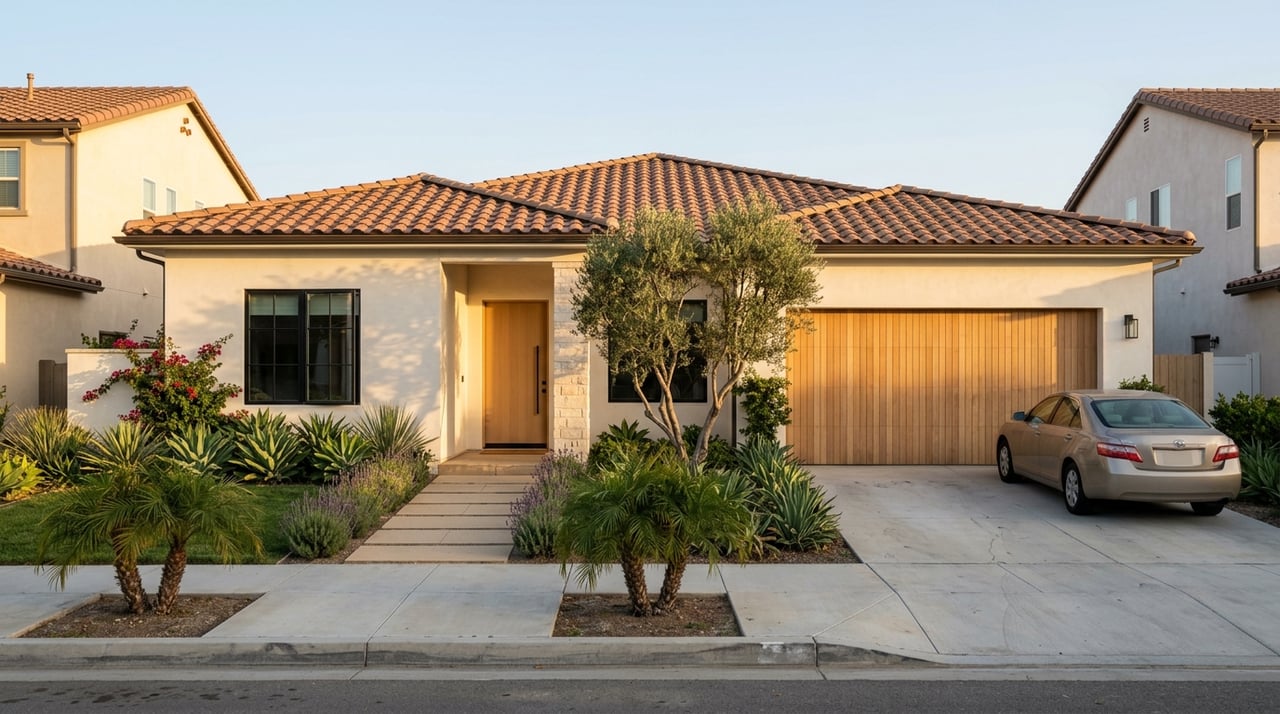
Buying your first home in Oceanside can feel exciting right up until you start looking at prices, loan options, and monthly costs. If you are wondering how to prepare without getting overwhelmed, you are not alone. The good news is that a little planning goes a long way, especially in a market with mixed housing options and city-level buyer support. Here is what to know before you start so you can move forward with more clarity and less stress.
Understand the Oceanside market first
Oceanside is a large North County city with more than 175,000 residents spread across 42 square miles. For first-time buyers, that matters because you are not shopping in a market with just one main housing type. You will likely see a mix of single-family detached homes, attached homes, multifamily options, mobile and manufactured homes, and ADUs.
That variety creates opportunity, but it also means you need to compare homes carefully. Two properties with similar list prices can have very different monthly costs, upkeep needs, and financing paths. In late June 2026, Redfin showed a median sale price of about $870,000 over the prior three months, which gives you a useful starting point for setting expectations.
Know what really affects affordability
The list price is only part of the story. In Oceanside, your real budget depends on the type of home, its size, condition, and location, along with the financing and property-specific costs attached to it. That is why first-time buyers benefit from looking at the full picture before touring too many homes.
Property type changes the math
Detached homes, condos, townhomes, multifamily properties, and manufactured homes can all behave differently in the market. They may also come with different insurance needs, repair expectations, and ownership costs. If you only compare list prices, you can miss what the home will actually cost you month to month.
HOA dues can be significant
If you are considering a condo, townhome, or planned community, ask about HOA dues early. These dues are usually paid separately from your mortgage and can range from a few hundred dollars per month to more than $1,000. That can make a major difference in what feels affordable.
Special assessments matter too
In San Diego County, parcel tax bills may include special assessments such as Mello-Roos and Community Facilities District charges. These are separate from the regular property tax rate. The county maintains a special-assessments search by parcel, which can help you compare homes that may look similar on paper but carry very different ongoing costs.
Build your all-in monthly budget
One of the biggest mistakes first-time buyers make is budgeting only for principal and interest. Your total housing payment is often higher once you add taxes, insurance, mortgage insurance if needed, HOA dues, and any parcel-specific assessments. A realistic budget helps you shop confidently and avoid surprises later.
Here is what to include in your monthly estimate:
- Principal and interest
- Property taxes
- Homeowners insurance
- Mortgage insurance, if your loan requires it
- HOA dues, if applicable
- Special assessments tied to the property
For a current benchmark, Freddie Mac reported a 30-year fixed average of 6.49 percent on June 25, 2026. Using that rate and an $870,000 purchase price with 20 percent down, monthly principal and interest is about $4,395. A simple 1 percent property-tax placeholder adds about $725 per month before insurance or parcel-specific charges.
That example shows why the monthly payment matters more than the price tag alone. On the same $870,000 purchase, 3.5 percent down is about $30,450, while 20 percent down is $174,000. Your down payment affects not only cash needed upfront, but also your monthly payment and whether mortgage insurance applies.
You may not need 20 percent down
Many first-time buyers assume they need 20 percent down before they can even begin. In reality, that is not always the case. FHA loans can allow down payments as low as 3.5 percent, and many conventional loan options also allow lower down payments.
If you put less than 20 percent down on a conventional loan, you will usually need private mortgage insurance. That does not mean the loan is a bad fit. It simply means you need to understand the tradeoff between a lower upfront cash requirement and a higher monthly payment.
Financing limits matter too. For 2026, the one-unit conforming loan limit in San Diego County is $1,104,000. That gives many Oceanside buyers room to shop within local price ranges while still using conforming financing.
Start with a lender before touring
It is tempting to jump straight into open houses and online listings, but your first serious step should be talking with a lender. That early conversation helps you understand what payment feels comfortable, what loan programs may fit your situation, and how much cash you want to use for your purchase.
It also helps you compare official Loan Estimates before you get emotionally attached to a home. In Oceanside, where HOA dues, assessments, and property type can shift the real monthly cost, this step is especially important. A strong lender can help you see the difference between what you can technically qualify for and what makes sense for your day-to-day budget.
Look into Oceanside buyer assistance programs
Oceanside offers city-level homebuyer support that may be worth exploring if you qualify. The city says it partners on or administers resources such as the CalHome First-Time Homebuyer Mortgage Assistance Program, Mortgage Credit Certificate access, and other affordable purchase opportunities. Some programs are income-limited and may require approved lenders and homebuyer education from HUD-approved counseling agencies.
This is one more reason to get organized early. If you may qualify for assistance, the timing, lender choice, and education requirements can affect your path. Starting early gives you more flexibility and helps you avoid missing a useful resource.
Ask smart questions during tours
When you start seeing homes in person, focus on more than finishes and staging. A beautiful kitchen is nice, but it does not tell you how the home fits your finances or how much work it may need. Try to evaluate each property through both a lifestyle lens and a budget lens.
A few smart questions to ask include:
- What are the monthly HOA dues?
- Are there any special assessments on the parcel?
- What is the condition of major systems and features?
- Is flood insurance likely to be required?
- Does the home’s condition fit your comfort level and budget?
Flood and disaster risk should come up early in the process. Homes in FEMA-designated Special Flood Hazard Areas are likely to require flood insurance, and disaster risk can affect future coverage costs and availability. That does not mean you should avoid a property automatically, but you do want to understand the insurance side before moving too far ahead.
Protect yourself in the offer process
Once you find a home you love, the next step is making a thoughtful offer. First-time buyers sometimes feel pressure to move fast, but speed should still be paired with smart protections. When possible, it is wise to understand financing clearly and use contingencies that support your due diligence.
If your contract includes an inspection contingency, you may be able to cancel without penalty if the inspection is unsatisfactory. That can be especially important when you are buying your first home and still learning how to weigh repairs, condition, and long-term maintenance.
Be ready for appraisal and closing
After your offer is accepted, your lender may order an appraisal. If you are getting a typical first-lien mortgage, you are entitled to a free copy of the appraisal, and it must be delivered promptly and no later than three days before closing. If the appraisal comes in below the contract price, your financing structure or contract terms may need to be revisited.
As closing gets closer, pay close attention to your paperwork. The lender must provide the Closing Disclosure at least three business days before closing. Review the Closing Disclosure, promissory note, mortgage or deed of trust, and initial escrow disclosure carefully so you understand the final numbers before signing.
Plan for taxes after closing
One detail many first-time buyers miss is what happens after the sale closes. In California, a qualifying principal residence may receive a homeowners’ exemption that reduces taxable value by $7,000. If the home is occupied as your principal residence within 90 days of purchase, the exemption may be reflected on the supplemental tax bill.
Supplemental tax bills are issued after ownership changes and are sent directly to the property owner, not the lender. That means you should not assume every tax-related cost is already covered through your monthly impound account. Keeping an eye on mail, tax notices, and closing documents can save you from an unwelcome surprise.
Why local guidance helps in Oceanside
First-time buying comes with a lot of moving parts, and Oceanside adds a few local layers that can change your numbers quickly. Mixed housing inventory, HOA structures, special assessments, buyer assistance rules, and insurance questions can all show up at once. Having a responsive local team helps you sort through those details before they become stressful.
The right support should feel clear, calm, and practical. You want someone who can help you compare homes honestly, coordinate with lenders and escrow, and keep you focused on the payment and property that truly fit your goals. That kind of step-by-step guidance can make a big difference, especially when it is your first purchase.
If you are thinking about buying your first home in Oceanside, working with a local agent who values education and communication can help you make smarter decisions from day one. When you are ready for a personalized, hands-on plan, connect with Anastasia Colwell-Olsen.
FAQs
What should first-time buyers know about Oceanside home prices?
- Oceanside has a mixed housing inventory, and in late June 2026 the median sale price over the prior three months was about $870,000, so it helps to set expectations early and compare total monthly costs, not just list price.
Do first-time buyers in Oceanside need 20 percent down?
- No. FHA loans can allow down payments as low as 3.5 percent, and many conventional loans also allow lower down payments, though less than 20 percent down usually means mortgage insurance.
Are HOA dues included in an Oceanside mortgage payment?
- Usually not. HOA dues are typically paid separately from the mortgage, so you should add them to your monthly housing budget from the start.
Are there first-time homebuyer programs in Oceanside?
- Yes, if you are eligible. The city points buyers to programs such as CalHome, Mortgage Credit Certificate access, and other affordable purchase opportunities, and some require approved lenders and HUD-approved counseling.
What monthly costs should Oceanside buyers estimate before touring homes?
- A practical budget should include principal and interest, property taxes, homeowners insurance, mortgage insurance if needed, HOA dues if applicable, and any parcel-specific special assessments.
What should Oceanside buyers review before closing on a home?
- Review the Closing Disclosure, promissory note, mortgage or deed of trust, and initial escrow disclosure, and remember that the Closing Disclosure must be provided at least three business days before closing.
Should first-time buyers in Oceanside worry about flood insurance?
- It is worth asking about early. Homes in FEMA-designated Special Flood Hazard Areas are likely to require flood insurance, and disaster risk can affect future coverage costs and availability.