Wondering what life in Vista actually feels like once the moving boxes are gone? If you are trying to picture your day-to-day routine here, the answer is more grounded and more layered than a simple “suburban” label suggests. Vista blends residential neighborhoods, local parks, a busy civic calendar, and a downtown core that gives you places to go without needing every outing to feel like a big event. Let’s take a closer look at what everyday life in Vista really looks like.
Vista Has a Lived-In, Local Feel
Vista is a mid-sized North County city with a 2025 estimated population of 98,274. It is also a place with a broad mix of ages and backgrounds, with 24.3% of residents under 18, 13.0% age 65 or older, 49.4% identifying as Hispanic or Latino, and 22.5% foreign-born. About 40.0% of residents age 5 and up speak a language other than English at home.
In practical terms, that often translates into a city that feels active, multi-generational, and connected to everyday routines. You are likely to notice that Vista is not built around just one lifestyle. It supports families, longtime residents, commuters, and people looking for a little more space than they might find in denser parts of the county.
Housing in Vista Feels Mostly Residential
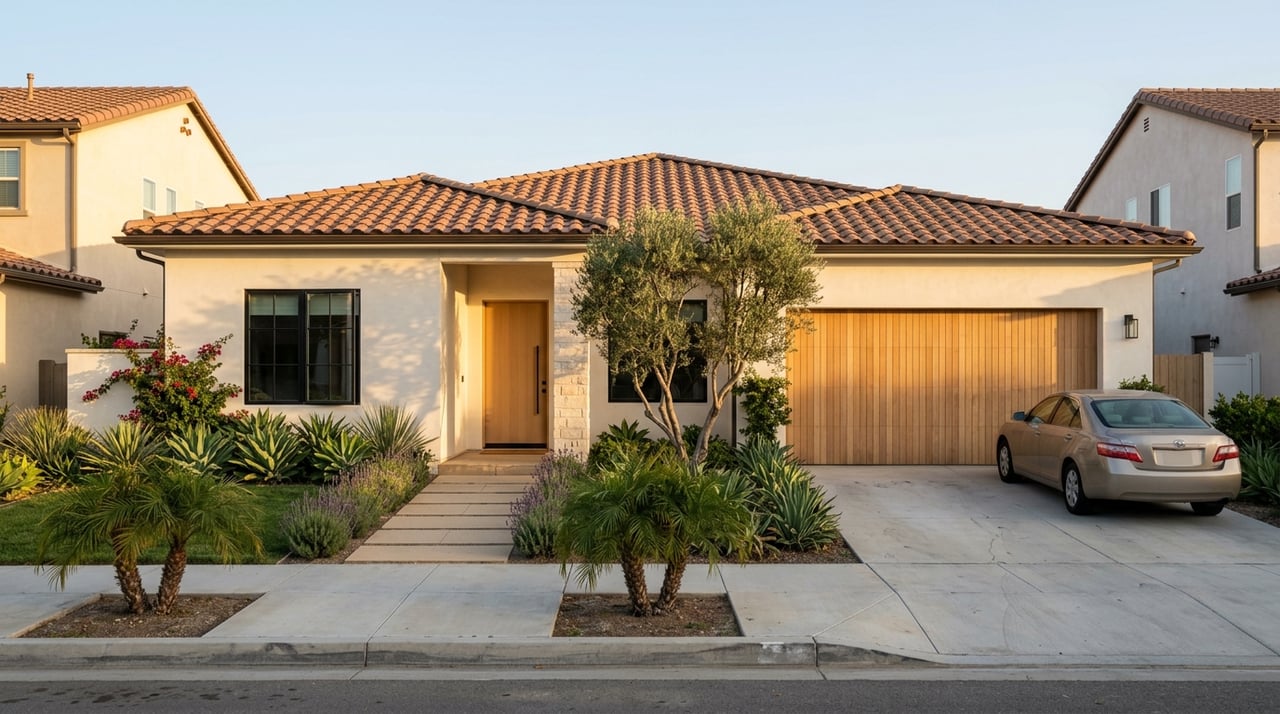
Vista’s housing pattern still leans heavily toward traditional residential living. The owner-occupied housing unit rate is 51.7%, the median owner-occupied home value is $762,400, and the median gross rent is $2,249.
The city’s Housing Element also points to the dominance of single-family housing. That matters if you are trying to picture daily life, because much of Vista feels shaped by home-based routines, neighborhood errands, local driving patterns, and time spent in community spaces rather than in a dense urban core.
If you are moving from a more coastal or more urban area, Vista may feel more spread out and more residential. If you are comparing North County cities, Vista often stands out for offering a mix of established neighborhoods, traditional homes, and areas that continue to evolve through reinvestment.
Daily Routines Often Center on Parks
One of the clearest things about Vista is how much parks and recreation show up in real life, not just in marketing language. City parks are open year-round from 7 a.m. until dusk, and city trails are open from sunrise to sunset.
That kind of access shapes how people use their time. Morning walks, after-school play, weekend outings, and casual outdoor meetups all fit easily into the rhythm of the city.
Brengle Terrace Park Is a Major Hub
Brengle Terrace Park is one of Vista’s main gathering places. The city lists amenities including Alta Vista Gardens, an amphitheatre, ballfields, basketball courts, meeting rooms, a senior center, tennis courts, and a tot lot.
For many residents, that means one park can serve several purposes in a single week. You might use it for a playground stop, a sports activity, a community event, or simply a place to get outside without needing a big plan.
Trails Add to the Everyday Pace
Vista’s official trail system includes Buena Vista Park, Wíivay Trail, Buena Vista Creek Trail, the SANDAG Inland Rail Trail, and La Mirada Canyon Trail. These routes help support a lifestyle where outdoor time can be part of your regular week, not just an occasional weekend goal.
If you value having easy options for walking, moving, and spending time outside, Vista gives you that in a practical way. The outdoor experience here is more neighborhood-oriented and routine-friendly than dramatic or destination-driven.
Recreation Is Built Into Family Life
Vista offers a wide range of recreation programming, and that shapes the city’s weekly rhythm. Public offerings include adult sports, youth sports, early-childhood programs, senior services, Parents’ Night Out, summer day camps, and volunteer opportunities.
That matters because everyday life is often easier when activities are close to home. Instead of building your schedule around long drives for every program, Vista gives many households local options that can support a busy calendar.
Wave Waterpark Adds a Seasonal Anchor
Wave Waterpark is another part of Vista’s community identity. The facility includes four slides, a flow rider, a rip tide slide, a lazy river, a competition pool, and a spray park.
For residents, it adds another layer to what the city feels like during warmer months. It is one more example of how Vista’s lifestyle tends to center on accessible, family-friendly recreation.
Downtown Vista Brings Energy and Variety
While much of Vista feels residential, the historic downtown area shifts the mood. The city describes it as a compact, creative district with independent and family-owned restaurants, pubs, and shops.
That gives Vista an important balance. You can have a home base that feels neighborhood-oriented, while still having a local spot for dining, meeting friends, or spending part of a weekend without leaving the city.
The city’s Housing Element also shows downtown parcels with mixed-use, retail, sit-down restaurant, office, and parking uses, along with some residential parcels. That land-use mix helps explain why downtown feels more layered than the surrounding areas.
Downtown Feels Different From Residential Areas
If you are comparing parts of Vista, one of the biggest lifestyle differences is between the downtown and transit corridor versus the more residential sections of the city. Downtown is where the pace feels more outing-oriented, while many other parts of Vista are more about home, errands, parks, and driving between destinations.
The city’s reinvestment focus areas include Townsite, North Santa Fe, Arcadia/Palomar, and South Gateway. For buyers and sellers, that suggests some areas may continue changing over time as investment and planning efforts move forward.
Commuting in Vista Is Manageable but Car-Oriented
Vista’s average commute time is 26.7 minutes. That gives you a helpful baseline for understanding local pace. Many people are close enough to jobs, schools, services, and shopping to keep daily routines moving, but the city still functions in a way that often depends on driving.
That said, Vista does offer meaningful transit options along key corridors. For some households, that can make a real difference in how flexible the city feels.
The SPRINTER Connects the Corridor
The Vista Transit Center serves the SPRINTER and BREEZE routes 302, 303, 305, 306, 318, 332, and 334. The transit center also has parking and public restrooms.
NCTD’s SPRINTER is a 22-mile east-west rail line along the Highway 78 corridor connecting Oceanside, Vista, San Marcos, and Escondido. It runs every 30 minutes in each direction on weekdays, which makes it a useful option for some commuters and local trips.
On-Demand Transit Adds Flexibility
NCTD+ adds another transportation option in Vista. The service launched with a 7-square-mile zone that connects to three SPRINTER stations and 79 BREEZE stops, including places like Brengle Terrace Park and Moonlight Amphitheatre.
If you are trying to imagine real day-to-day convenience, this matters. Even in a city that is still largely car-oriented, added transit flexibility can make outings and connections easier in certain parts of town.
Weekends in Vista Rarely Feel Boring
Vista’s event calendar gives the city a more active feel than some people expect. Instead of being quiet in a strictly commuter-suburb way, Vista has recurring public events that bring people into parks, streets, and downtown spaces.
That helps shape the social rhythm of the city. You may spend weekdays focused on routines, but weekends often offer easy built-in reasons to get out of the house.
Community Events Create Local Tradition
The city runs free Movies in the Park during the summer, Cyclovia Vista, and an annual Independence Day Celebration at Brengle Terrace Park and Moonlight Amphitheatre. Movies in the Park begin at dusk, while Cyclovia centers biking and walking in Historic Vista Village by temporarily closing streets to cars.
The Vista Strawberry Festival is one of the city’s biggest annual events. According to the Vista Chamber, it takes place on Memorial Day weekend in May and includes more than 450 vendors, live entertainment, a 5K, kids’ runs, a film festival, a beer garden featuring local breweries, and carnival rides.
Vista’s Fiestas Patrias is another notable event on the local calendar. The Vista Chamber describes it as a September celebration of Hispanic heritage and Mexico’s Independence Day, with vendors, live performances, and cultural activities.
Arts and Public Spaces Add Character
Public art also plays a visible role in Vista’s everyday environment. The city highlights Kites Over Vista, murals, utility-box painting, Civic Gallery exhibits, and installations in parks, neighborhoods, and along the Paseo Santa Fe corridor.
The nearby Moonlight Amphitheatre adds another strong cultural anchor. It has 908 permanent seats, 1,092 lawn seats, and a total capacity of 2,000, and the city says it has hosted regional theatre for 40 years.
What Vista Feels Like Overall
At its core, Vista feels like a city built around routines that are easy to recognize. Weekdays often revolve around getting out the door, commuting, handling errands, spending time in parks, and moving between residential neighborhoods and activity hubs.
Weekends tend to open up into dining downtown, trail time, local events, and recreation. That blend gives Vista a practical kind of appeal. It is not trying to be the busiest place in North County, but it does offer more activity, public amenities, and community energy than you might assume at first glance.
If you are considering a move, that everyday balance matters just as much as stats on paper. The right fit is often less about a single feature and more about whether the city supports the pace, routines, and lifestyle you want.
If you want help understanding how Vista compares with other North County communities, or you are thinking about buying or selling here, Anastasia Colwell-Olsen can help you make sense of the options with clear, local guidance.
FAQs
What is daily life in Vista, California like?
- Daily life in Vista often centers on residential neighborhoods, parks, errands, commuting, and local recreation, with weekends that may include downtown dining, trails, and community events.
Is Vista, California more urban or suburban?
- Vista generally feels more suburban and residential than urban, with a housing pattern that still leans heavily toward single-family homes and a more compact mixed-use downtown core.
What are some popular things to do in Vista, California?
- Popular local activities include spending time at Brengle Terrace Park, using city trails, visiting Wave Waterpark, attending events like the Vista Strawberry Festival, and going out in the historic downtown area.
How do people commute in Vista, California?
- Many residents commute by car, and the average commute time is 26.7 minutes, though Vista also has transit options through the Vista Transit Center, BREEZE routes, the SPRINTER, and NCTD+.
Is Vista, California good for people who want parks and recreation?
- Vista offers a strong parks and recreation system, including year-round park access, multiple trail corridors, recreation programs for different age groups, Brengle Terrace Park, and Wave Waterpark.