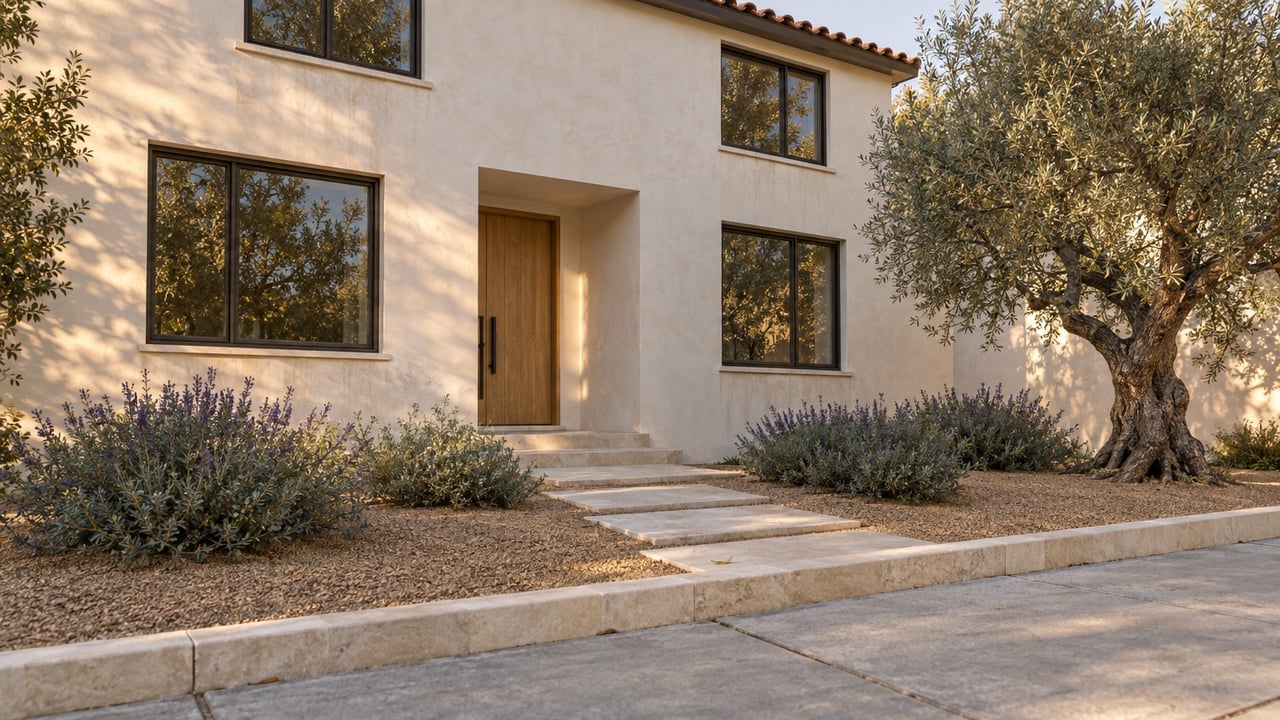
Two homes go on the market three doors apart in 4S Ranch. Same floor plan, same year built, same school assignment. One listing shows "HOA: $105/mo." The other shows two line items: a master association fee and a second, separate sub-association charge. A buyer comparing the two on a spreadsheet assumes a typo. It isn't one. And neither listing mentions the number that often matters more than both combined: the Mello-Roos special tax sitting quietly on the county property tax bill, which can differ by thousands of dollars a year between those same two houses.
This is the part of buying or selling in North San Diego's master-planned communities that rarely shows up in a portal search. The HOA fee printed on a listing sheet is real, but it is not the whole obligation. And as of January 1, 2026, the paperwork that eventually reveals the rest of the picture got one layer thicker.
Why "the HOA fee" is actually three separate numbers
Communities like 4S Ranch, Del Sur, and parts of Rancho Bernardo were built with layered governance from the start: a master association covering the entire development, and in many pockets, a second sub-association covering just your specific tract or condo project. On top of that sits Mello-Roos, a Community Facilities District special tax that funded the infrastructure when the community was built and shows up as its own line on the county tax bill, entirely separate from anything an HOA collects.
Here's how those three pieces typically break down in this corridor:
| Layer | What it covers | Who sets it | Why it varies |
|---|---|---|---|
| Master association | Parks, common open space, community-wide amenities | One board for the whole development | Same rate for every home in the master, but can still change year to year |
| Sub-association | Your specific tract, condo building, or attached-home cluster | A separate board for that smaller association | Only some tracts have one, and dues differ by project |
| Mello-Roos (CFD) | Original infrastructure debt tied to the land | Set by the Rate and Method of Apportionment recorded when the CFD was formed | Varies by parcel, lot type, and phase, and some parcels have none at all |
4S Ranch's master association is a real example of the first layer moving on its own. The community portal confirmed the master assessment rose from $100 to $105 a month effective January 1, 2026, a change that applies across the master regardless of which tract you're in. Sub-associations, like the ones covering 4S Ranch's Garden Gate, Gianni, and San Moritz tracts, bill and adjust separately from that master number entirely.
Why two houses on the same street can owe different amounts
The part that catches buyers off guard isn't that these layers exist. It's that Mello-Roos doesn't apply evenly, even within the same development or the same ZIP code. Every Community Facilities District has a Rate and Method of Apportionment, the formal document that dictates how the tax is calculated for each individual parcel, and RMAs can assign a flat rate, a formula tied to square footage, or a hybrid of both.
A Rate and Method of Apportionment can assign a flat amount per parcel, a formula tied to square footage, or a blend of both, so two homes in the same phase can land in very different places. The only way to know your actual number is to pull it from the county tax bill or the recorded CFD documents, not from a previous listing or a neighbor's estimate.
That's the operative rule for both sides of a transaction. A seller who assumes their Mello-Roos matches the neighbor's, or a buyer comparing two listings on price alone, is comparing incomplete numbers. The only figure that actually predicts your monthly cost is the full stack: mortgage, master HOA, sub-HOA if one applies, and the parcel's specific special tax pulled from the county bill or the CFD's recorded Notice of Special Tax.
This is also where financing gets tangled. Lenders treat Mello-Roos as part of the debt-to-income calculation, and how a specific loan program counts it can shift what a buyer qualifies for even when two homes are priced identically. It's a conversation worth having with a lender before you fall for a house on the strength of its list price alone.
The disclosure packet just got thicker
Layered dues are the part of these communities that's always been true. What changed this year is what shows up in escrow before closing.
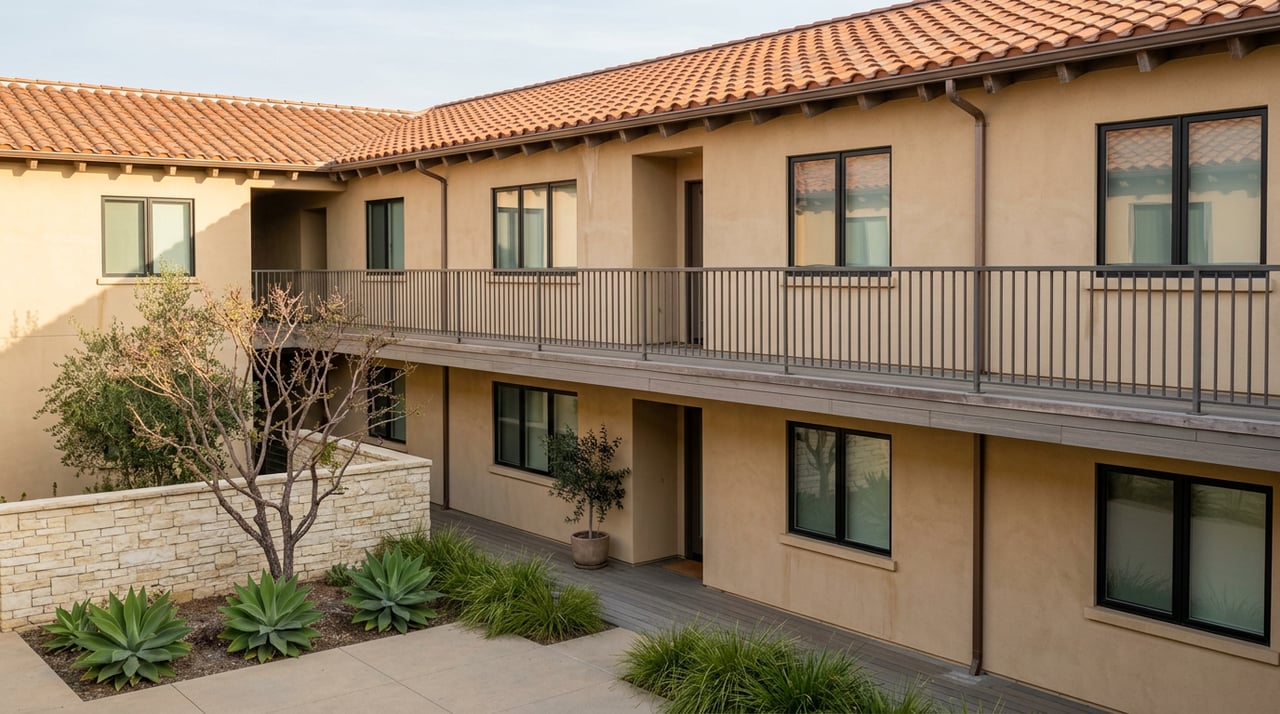
California's SB 410 took effect January 1, 2026, amending Civil Code section 4525, the statute that governs the document packet a seller must hand a prospective buyer in any common interest development sale. Before this year, sellers in qualifying condo and attached-home projects owed buyers governing documents, financial statements, and assessment history. SB 410 added one more item to that mandatory stack: the community's most recent exterior elevated element inspection report, the structural safety inspection of balconies, decks, stairways, and walkways that California has required under a related law, SB 326, since 2025.
The Senate Judiciary Committee's own analysis of the bill is direct about the stakes: if a seller willfully fails to provide required disclosure documents, they can be liable to the buyer for actual damages and a civil penalty under Civil Code section 4540. For attached-home and condo sellers in North San Diego's master-planned tracts, that means the report needs to exist and needs to be current before the packet goes out, not after an offer is already in hand.
There's a lending wrinkle too. If a project's inspection report is missing, incomplete, or flags an unresolved structural issue, some lenders can treat the project as non-warrantable, which complicates financing for every buyer in that building, not just the one currently in escrow. That's a real reason to move early rather than scramble once a buyer's loan officer starts asking questions.
A practical sequence for anyone selling an attached home or condo in this corridor this year:
- Request the section 4525 disclosure packet from the HOA or management company the day you sign a listing agreement, not after you accept an offer.
- Confirm the packet includes the current SB 326 inspection report and that the report is recent, since older templates may not meet the SB 410 format requirements.
- Read board meeting minutes for pending special assessments or reserve funding gaps before a buyer's agent finds them first.
- If anything is outstanding, whether an inspection is overdue or a structural finding hasn't been addressed, disclose it in writing rather than leaving it to be discovered during the buyer's contingency period.
Buyers benefit from the same sequence in reverse. If you're under contract on a condo or attached home in 4S Ranch's Gianni or Bridgeport tracts, Ravenna, San Moritz, or any comparable attached project in Del Sur or Rancho Bernardo, the inspection report is now something you're entitled to see as part of the standard packet, not something you have to chase down separately.
Comparing 4S Ranch, Del Sur, and Rancho Bernardo on the real number
Buyers narrowing a search inside the Poway Unified School District attendance area often end up cross-shopping these three names against each other. The comparison that actually matters isn't amenities, since all three offer some version of parks, pools, and trail access built into the master plan. It's the all-in monthly number.
A home in 4S Ranch and a home in Del Sur can list at the same price and still cost meaningfully different amounts to carry, once you add master dues, a sub-association fee where one applies, and each parcel's specific Mello-Roos pulled from its own CFD. Rancho Bernardo's older, pre-Mello-Roos pockets sit at the other end of that range, often with little or no special tax at all, which is its own tradeoff against newer construction and amenities. None of these differences show up in a median price. They show up on the county tax bill and in the CFD's recorded RMA, which is exactly why pulling those documents early, rather than trusting a listing sheet's one-line HOA figure, is the difference between an accurate offer and a surprise at closing.
A few questions worth asking before you write an offer
Does every home in a community like 4S Ranch have Mello-Roos? No. Coverage depends on the parcel and which Community Facilities District it falls under. Some tracts carry none while others carry a meaningful annual tax, even within the same development.
Does the new SB 410 disclosure requirement apply to any home I'm buying? It applies to qualifying common interest developments with exterior elevated elements, generally condos and attached-home projects with three or more units and balconies, decks, or walkways more than six feet above ground. A single-family detached home without those features isn't the target of this particular requirement.
Who actually decides how much my Mello-Roos will be? The Rate and Method of Apportionment recorded when the district was formed. It's a public document, and it's worth reviewing alongside the county tax bill rather than relying on what a previous listing stated.
If you're comparing homes across 4S Ranch, Del Sur, Rancho Bernardo, or anywhere else in North San Diego and want the real monthly number pulled apart before you write an offer, or you're prepping a condo or attached home for sale and want the disclosure packet handled correctly the first time, Anastasia Colwell-Olsen is happy to walk through it with you. Let's Connect.