Before you compare North Park to South Park on price per square foot, there's a number sitting underneath both listings that Zillow's estimate never touches: whether the county taxes that house on what it sold for, or on what a rental appraiser thinks it could earn as a small apartment.
That second option exists because of a state law most buyers in San Diego's older neighborhoods have heard of in passing and few understand well enough to use. It's called the Mills Act, and it can move a property tax bill by tens of percentage points on two houses that look nearly identical from the sidewalk. If you're weighing a Craftsman bungalow in North Park against one in South Park, or wondering why a listing agent keeps mentioning "historic designation" like it's a selling point rather than a restriction, this is the mechanism worth understanding before you write an offer, not after you close.
The Discount That Doesn't Show Up on a Comp Sheet
The City of San Diego adopted the Mills Act in 1995, and the mechanics are unusual for property tax law. Instead of valuing a historic home the way the county values everything else, using recent comparable sales, the Mills Act values it based on the rental income it could reasonably generate. For an older, smaller house in a neighborhood where land value has climbed for a decade, that formula almost always produces a lower number than a market-based appraisal would.
The city's own guidance puts the typical savings at 20 to 70 percent off the property tax bill, and older FAQs from historic preservation groups note that some properties have seen reductions closer to 90 percent. The contract runs for an initial 10 years and renews automatically every year after that, effectively continuing indefinitely unless either the city or the owner files notice to stop it. Cancel it today, and the agreement doesn't actually end for another decade.
A tax reduction that runs with the land, not the owner, changes how you should compare two houses on two different blocks.
That's the detail that matters for a buyer. Mills Act benefits transfer with the property when it sells. If a home you're considering already has a signed Mills Act contract on file with the city, you inherit the savings on day one, along with the preservation obligations that come with them.
Old Doesn't Mean Eligible
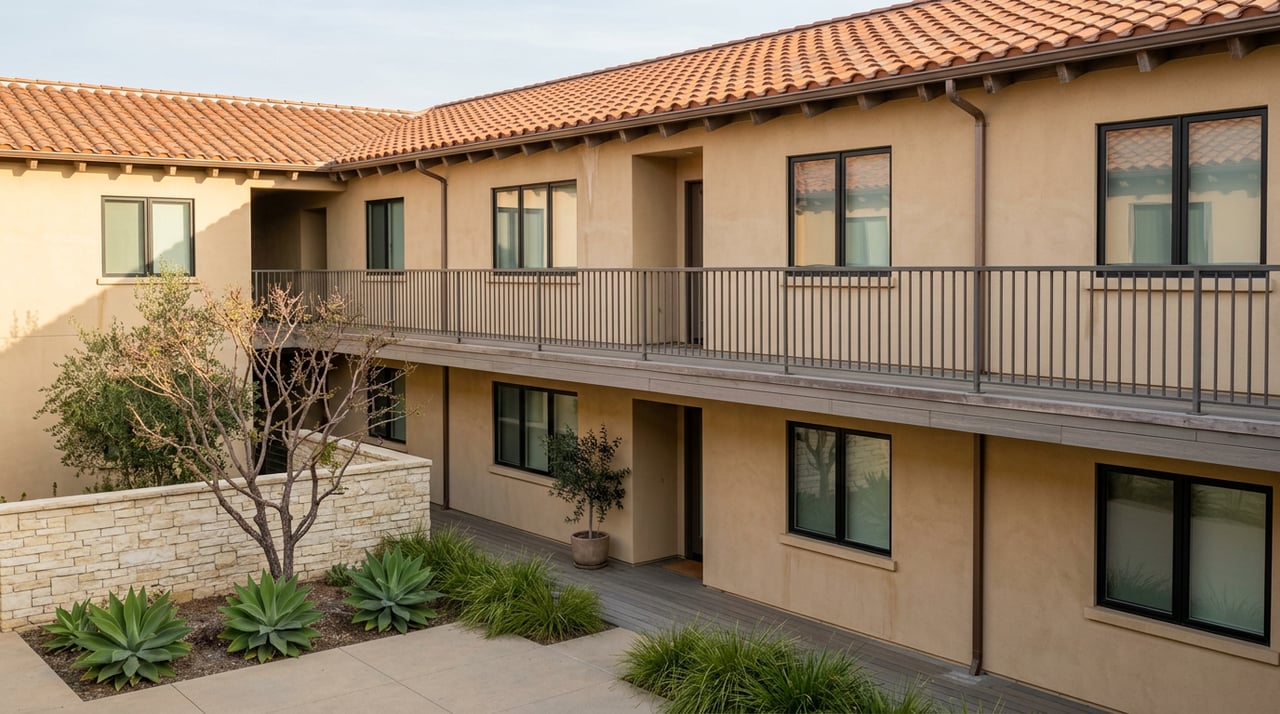
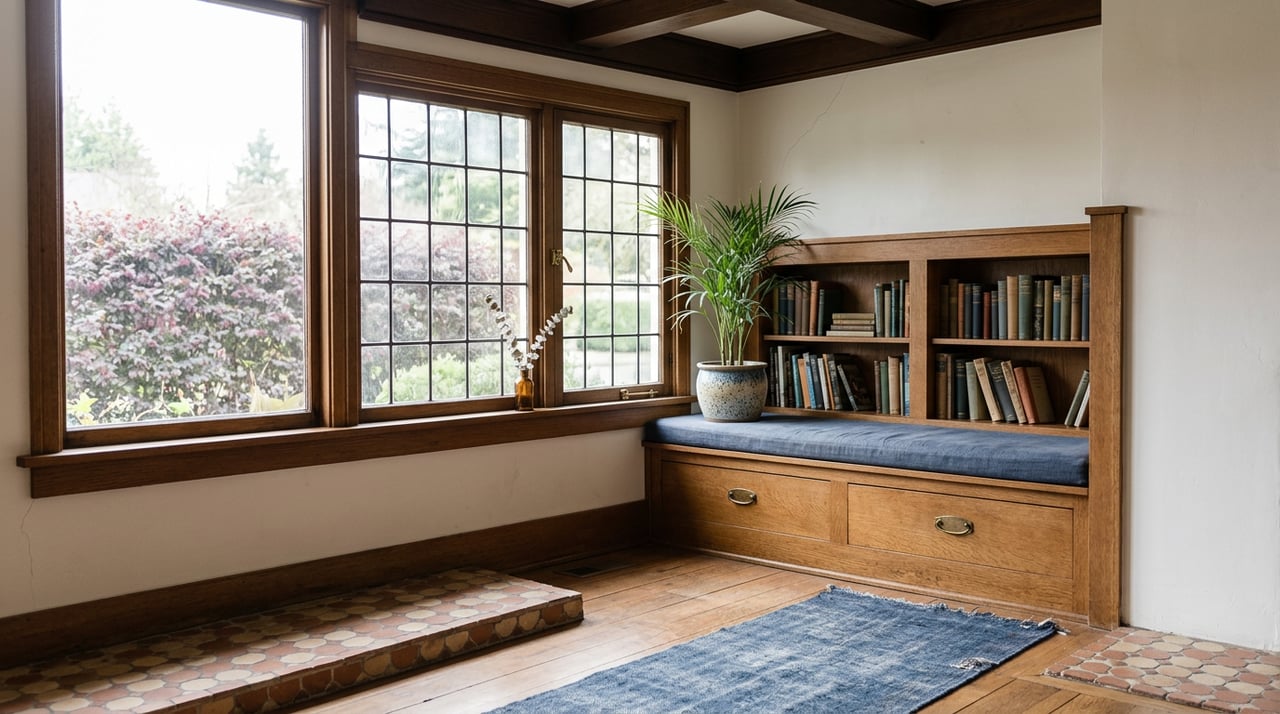
Here's where a lot of buyers assume more than the law grants. A 1920s bungalow with original windows and a wide front porch looks the part, but looking historic and being eligible for the Mills Act are two different things. The city requires one of two things before a property can enter a contract: individual designation by San Diego's Historical Resources Board, or status as a contributing structure inside a district the city has already designated.
That second path is where the specific geography matters. North Park's Dryden Historic District, concentrated roughly between 28th Street and Pershing Drive, was designated for its concentration of Craftsman bungalows designed largely by architect David Owen Dryden between 1911 and 1919. A few blocks away, the Burlingame Historic District, known locally for its pink sidewalks, holds a dense pocket of Spanish and Italian-influenced homes built between 1912 and 1929. Cross south past Balboa Park and the South Park Historic District, designated by the city's Historical Resources Board in 2017, covers hundreds of Craftsman and Spanish Colonial Revival homes built mostly in the 1910s and 1920s. Golden Hill has its own Greater Golden Hill Historic District, designated in stages between 1970 and 1985, along with the Culverwell and Taggart's Historic District currently working through the same review process.
The city is still expanding this map. Records from San Diego's Historic Preservation Planning section show four more districts in some stage of evaluation right now, including the Kalmia Place Historic District east of Balboa Park and the Altadena Historic District in North Park. If your search takes you to a block that isn't covered yet, that isn't necessarily permanent. It just means the paperwork hasn't caught up to the architecture.
Outside a formal district, individual designation still happens one property at a time. The Historical Resources Board has designated single addresses across the city, from a 1928 Craftsman on Curtis Street to Casa Descanso, a 1920s residence on Marlborough Drive in Kensington-Talmadge. Kensington doesn't have a comprehensive historic district the way North Park or South Park does, but individual homes there have gone through the same designation process and can carry the same Mills Act benefit.
What the Median Price Doesn't Tell You
Here's the comparison a lot of buyers skip. As of February 2026, detached homes in North Park had a year-to-date median sale price around $1,125,000. South Park and Golden Hill share ZIP code 92102, where the detached median for the same period sat at $806,000, up about 7.5 percent year over year. Kensington's detached median was closer to $1,555,000.
| Neighborhood | Detached median, YTD through Feb. 2026 | Historic district status |
|---|---|---|
| North Park | $1,125,000 | Dryden Historic District; several more districts under city review |
| South Park | Shares 92102, $806,000 | South Park Historic District, designated 2017 |
| Golden Hill | Shares 92102, $806,000 | Greater Golden Hill Historic District, designated 1970-1985 |
| Kensington | $1,555,000 | Individual landmark designations, no citywide district yet |
Read across that table and the obvious takeaway is that South Park and Golden Hill are the value play. But the Mills Act complicates that story in a useful way. A $806,000 South Park bungalow without a historic designation pays property tax the normal way, based on what it sold for. A $1,125,000 North Park bungalow that's a contributing structure in the Dryden District, with an active Mills Act contract, could have its assessed value calculated on projected rental income instead, potentially landing well below what the sale price would otherwise generate. Depending on where in that 20 to 70 percent range the county's formula lands, the pricier North Park house might carry a lower annual tax bill than the cheaper South Park one.
Price rank and cost-of-ownership rank don't have to move together. That's the piece a median doesn't show, and it's exactly the kind of gap worth checking before you assume the lower list price is the lower total cost.
The Contract You Inherit, Whether You Read It or Not
If you're buying a home that's already under a Mills Act contract, you're not just getting the tax savings. You're also getting the obligations that came with them. Owners agree to maintain the property according to the Secretary of the Interior's Standards, and any exterior change visible from the street, a new fence, replacement windows, a different roofline, generally needs historic review before it happens. Interior updates and most functional systems are typically fine to change without that review.
There's also a timing detail worth knowing if the home you want isn't under contract yet but looks eligible. The City of San Diego only accepts new Mills Act applications between January 1 and March 31 each year. If you close in April on a home that qualifies but isn't yet designated, you're waiting until the following January to start the process, and the tax savings won't apply retroactively to the year you missed.
One more wrinkle worth flagging before you fall in love with the tax math: owners who've held a property for decades often already have a low Prop 13 assessment from years of limited annual increases. For them, the Mills Act's income-based formula can land higher than what they're already paying, meaning no benefit at all. That's why the biggest Mills Act savings tend to show up on homes that changed hands relatively recently at a price well above their old assessed value. A listing description that says "Mills Act eligible" is not the same as a listing with an active contract and documented savings. Ask your agent to confirm which one you're actually looking at.
A Few Questions Worth Settling Before You Offer
Does a Mills Act contract mean I can't renovate? No. Interior work, most systems, and non-visible changes are generally unaffected. It's exterior alterations visible from the public right-of-way that require historic review first.
Can I apply for designation after I close, if the home isn't already under contract? Yes, as long as the property qualifies through individual significance or district-contributor status. The city only opens applications between January 1 and March 31 each year, so plan around that window rather than assuming it's open whenever you're ready.
If a home is in one of the historic districts, is the tax break automatic? No. Being a contributing structure in a district like Dryden, Burlingame, South Park, or Golden Hill makes a home eligible to apply, but the owner still has to enter into the contract with the city. Plenty of eligible homes have never applied.
Comparing North Park to South Park on price alone answers one question. Comparing them on what you'll actually pay every year answers a different one, and it's the one that shows up on your mortgage statement long after closing day. If you're weighing a historic bungalow purchase anywhere in San Diego's central neighborhoods and want help sorting out which listings carry real Mills Act savings versus which ones just have good bones, Anastasia Colwell-Olsen is glad to walk through it with you.